

 Mark Luigi Dacumos
Bad credit can make an emergency feel even heavier.
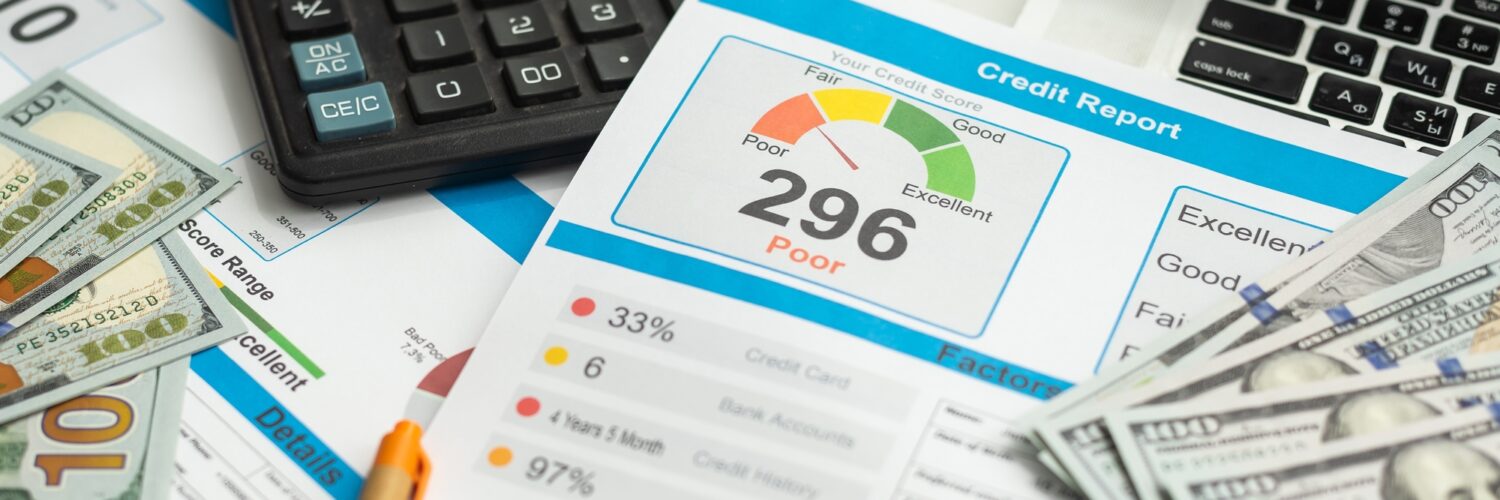
You already know the score is not where you want it to be. You may have missed payments, old collections, medical debt, or a rough season that never quite left your credit report.
Then an emergency hits, and suddenly every lender seems to be judging you by the worst moment in your financial life.
The truth is this: bad credit does not mean you have no options. But it does mean you need to be careful.
What Emergency Lenders Usually Look At
Some lenders look beyond credit scores.
They may review:
- Income
- Bank deposits
- Employment
- Debt payments
- Recent overdrafts
- Length of time at your job
- Monthly expenses
- Whether you have active loans
A lender may say “no credit check,” but that does not mean “no review.” Real lenders still verify your identity and your ability to repay.
Bad Credit Loans Can Be Expensive
The lower your credit score, the more expensive loan offers may become.
That can mean:
- Higher APR
- Shorter repayment terms
- Larger fees
- Automatic withdrawals
- Smaller approved amount
- More pressure to renew or refinance
Before signing, look at the total repayment amount, not just the amount deposited.
A $500 loan can feel helpful today, but if repayment drains your next paycheck, the emergency continues.
Payday Loans Should Be a Last Resort
Payday loans are marketed as fast fixes, but they can be costly.
The CFPB says a $15 fee per $100 borrowed is common and can equal an APR of nearly 400% for a two-week payday loan.
That is why a payday loan should usually come after you have checked lower-cost options.
Safer Loan Options to Check First
Before using a payday lender, try:
- Credit Union Payday Alternative Loan
- Small personal loan from a local credit union
- Employer paycheck advance
- Bank hardship loan
- Secured loan
- Co-signed loan, if safe and responsible
- Payment plan with the company you owe
- Local emergency assistance
Federal credit unions may offer PALs II loans up to $2,000, with repayment terms from one month to 12 months.
If the Emergency Is a Bill, Ask for Bill Help
Do not borrow for a bill until you check whether the bill itself can be reduced, delayed, or paid by a program.
For rent, call 211 and ask about emergency rent assistance.
For utilities, ask your provider about hardship programs and check LIHEAP.
For food, apply for SNAP and visit food pantries.
For medical bills, ask the hospital or clinic about financial assistance.
For disaster-related expenses, FEMA may provide financial assistance and direct services for eligible people and households after a declared disaster.
Red Flags Before You Apply
Be careful if a lender:
- Guarantees approval
- Asks for upfront payment
- Wants gift cards, wire transfer, or crypto
- Refuses to show APR
- Will not explain fees
- Pressures you to sign quickly
- Has no physical address
- Uses a fake government name
- Says bad credit does not matter at all
The FTC warns that advance-fee loan scams ask people to pay first, then never provide the loan.
Questions to Ask Any Lender
Before accepting an emergency loan, ask:
- What is the APR?
- What is the total repayment amount?
- When is the first payment due?
- How many payments are there?
- Are there late fees?
- Is there a prepayment penalty?
- Can you withdraw from my bank account?
- What happens if I cannot pay on time?
- Are you licensed to lend in my state?
If the lender cannot answer clearly, walk away.
A Small Borrowing Rule
Borrow the smallest amount that solves the emergency.
If the repair is $620, do not borrow $1,000 just because the lender offers it. Extra money today can become extra stress later.
Also, do not borrow for a payment plan you already negotiated. If the utility company accepts $150 now and the rest over time, borrowing $800 may not be necessary.
Bottom Line
Emergency loans with bad credit are possible, but not all offers are safe.
Start with assistance programs, payment plans, credit unions, and employer options. If you still need a loan, compare the full cost, avoid upfront-fee scams, and borrow only what you truly need.