

 Mark Luigi Dacumos
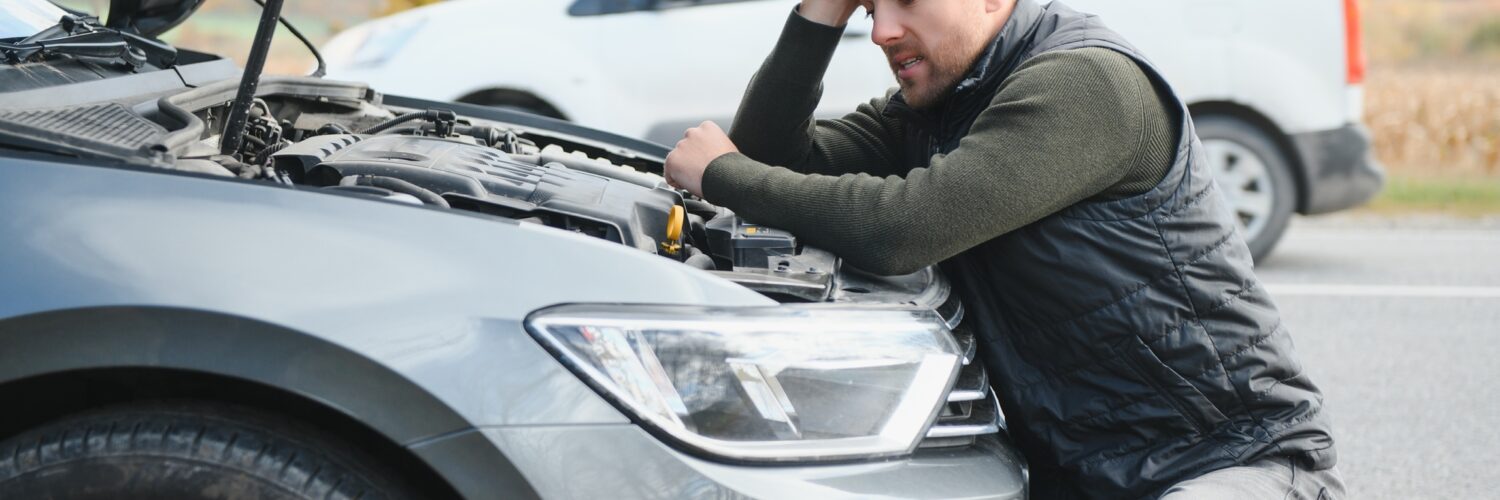
When a car breaks down, the problem can spread fast.
It is not just the repair. It is getting to work. Picking up kids. Making appointments. Keeping the job that pays for everything else. For many households, reliable transportation is not a convenience. It is the thing holding the schedule together.
Who Often Gets Priority
Emergency repair programs vary by community, but many focus on people who need transportation for work, medical appointments, caregiving, or basic family needs.
Programs may also prioritize low-income households, people facing temporary hardship, or workers at risk of losing employment because they cannot get to the job.
What Assistance May Look Like
Car repair help is not always a cash payment. It may come as a minor repair grant, diagnostic help, a low-interest repair loan, a transportation voucher, a bus pass, or a referral to a trusted partner shop.
Some programs only cover repairs that make the vehicle safe and drivable. Cosmetic work usually does not qualify.
Where to Search First
Start with 211, Community Action Agencies, workforce development organizations, local charities, churches, and county human services offices.
If the car is needed for employment, ask specifically: “Are there transportation or car repair programs for people trying to keep a job?”
Workforce Programs Can Be Useful
Some job-related programs understand that transportation problems can cost someone employment. If you are working, starting a job, or in training, ask local workforce offices whether they offer transportation assistance.
What to Have Ready
Before applying, gather your driver’s license, vehicle registration, repair estimate, proof of income, and proof that the vehicle is needed for work or medical transportation if required.
A written estimate from a mechanic can help programs understand the exact repair and cost.
Ask the Mechanic for a Safety-First Estimate
If money is tight, ask the shop to list the repair in order of urgency. What must be fixed to drive safely? What can wait? What happens if you delay?
Bottom Line
Emergency car repair help exists in some communities, but it is usually local and limited. Start with 211, community agencies, workforce programs, and charities. Be ready with documents and a repair estimate, and focus first on repairs tied to safety and reliable transportation.